Blog: Where are you from originally? Not just a Question - an insight into the curation of this exhibition.

By Domino Panton-Oakley
Hi everyone, my name is Domino and I’m the Programme and Gallery Manager at South Square. When scheduling our exhibitions in the main gallery, I get the chance to think of a themes for the work, and the result of this, is a very personal one to me.
Where Are You Really From?
“Where are you from originally? No, like where are you really from?”
It’s a question that has followed me for years—repeated, rephrased, and often loaded with assumptions. I’m always happy to talk about my heritage and my family history. But if that’s what someone wants to know, I’d rather they just ask that directly.
I remember one moment particularly clearly. A mentor once asked me where I was from. I answered simply: Manchester.
“No—where are you really from?”
Again, I said: Manchester.
“But where do you originate from?”
Eventually, I replied: “If you’re asking about my Nana, she was born in Jamaica.”
That conversation isn’t unique. It’s one that many people of colour—across different races and ethnicities—experience regularly. Which raises the question: why?
The Weight Behind a “Simple” Question
Why do some people feel compelled to dig deeper into someone’s “real” origins? Is it curiosity? Habit? Or is it rooted in assumptions about identity—particularly when someone doesn’t fit a narrow idea of what being “from here” looks like?
People with darker skin are often asked to explain where they’re “really” from, while others—whose heritage might trace back to Norway, Italy, or America—rarely face the same scrutiny. Yet everyone has a history, a lineage, a story worth telling.
This exhibition wasn’t about blaming or calling people out. Instead, it aimed to open up a conversation. To encourage reflection. To gently challenge the way we ask questions—and why we ask them.
Creating Space for Reflection and Representation
I had two audiences in mind when curating this exhibition:
- People who have been asked this question – I wanted them to feel seen, heard, and represented.
- People who ask the question – I wanted to invite reflection, not defensiveness.
And it worked.
One artist who regularly exhibits at South Square approached me to talk about the show. He admitted he’d asked this question before, never intending harm. We had an honest conversation about perception and how language can land differently than intended.
Another visitor told me the exhibition deeply resonated with her. She later returned with books, poems, and articles about Black and mixed heritage experiences in the UK—an incredibly generous and meaningful gesture.
These moments are exactly what I hoped for: dialogue, understanding, and growth.
Curating Identity: The Artists and Their Work
The exhibition brings together five Yorkshire-based artists, each exploring themes of race, identity, and belonging in unique ways.
Saba Siddiqui: Reimagining the Flag
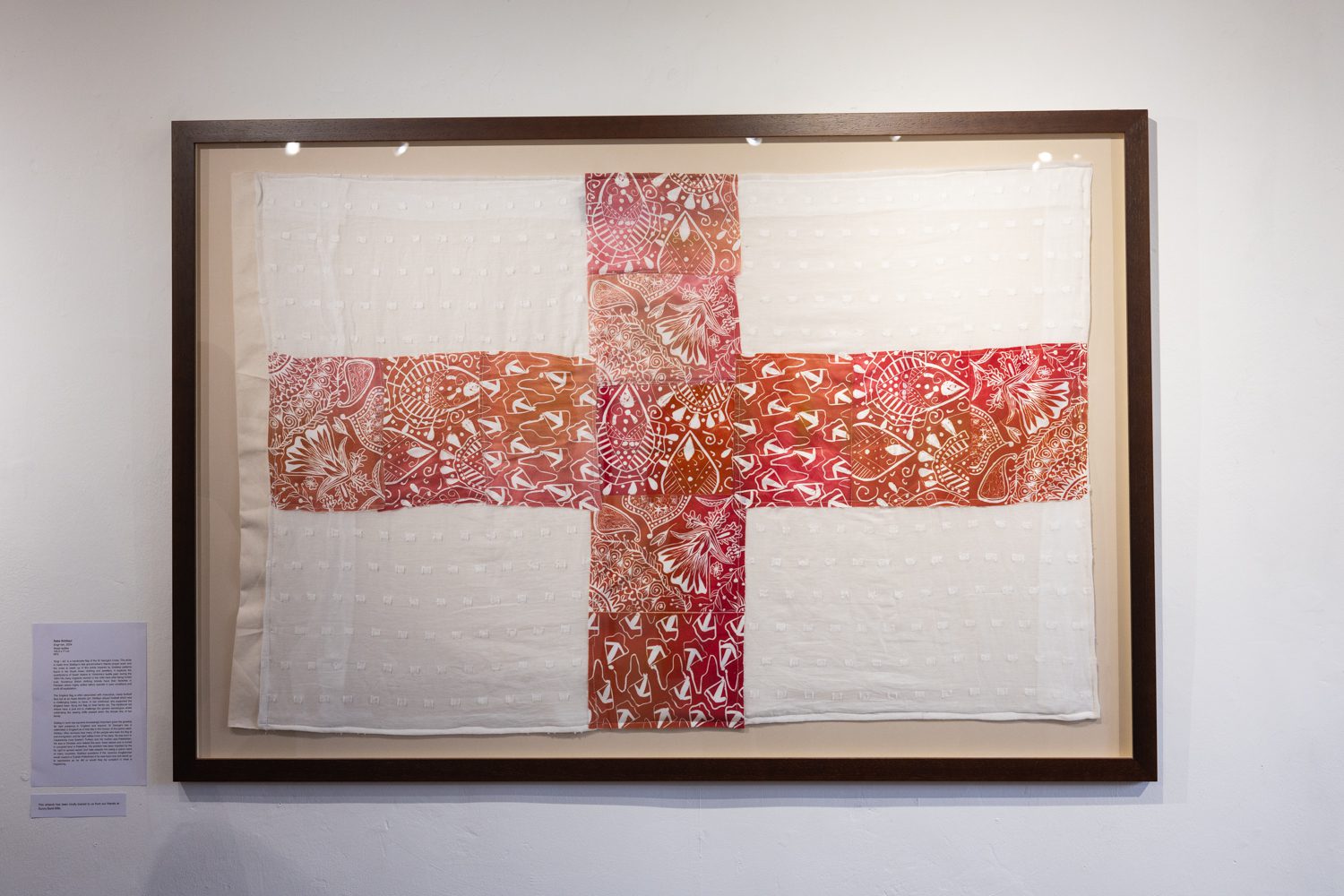
Saba’s piece Eng-lish was one of the first works I knew I wanted to include. On loan from Sunny Bank Mills, it’s a striking exploration of identity and language.
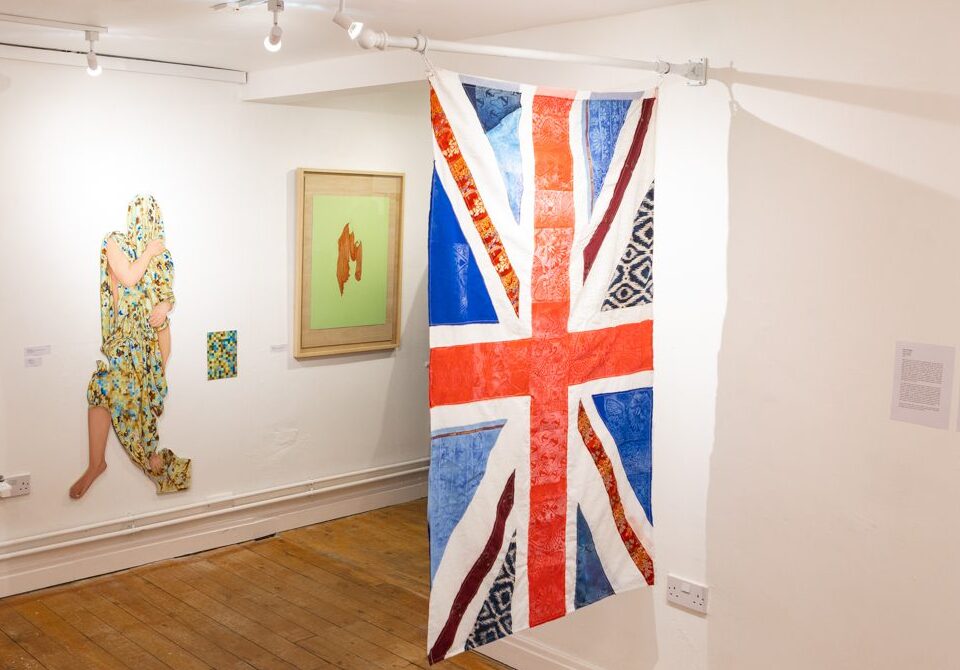
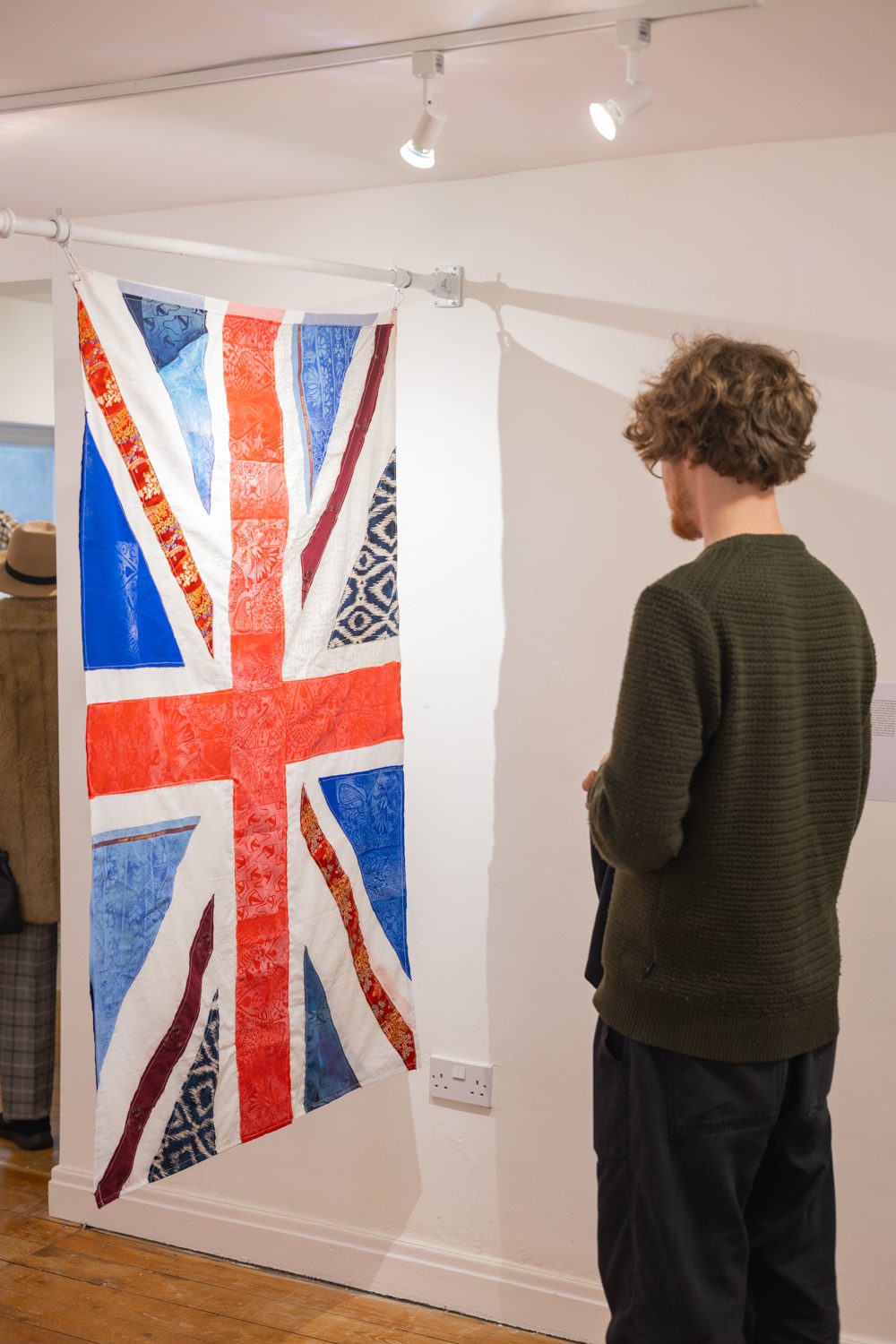
Her second piece, Brit-ish, is being shown for the first time. Created from a reclaimed Union Jack, it incorporates fabrics from a wide range of cultural traditions—Bradford wool, Caribbean carnival textiles, Chinese silks, Pakistani patterns. The result is a powerful visual statement: the Union Jack belongs to all of us.
Hijab Zainab: Painting Identity in Transition
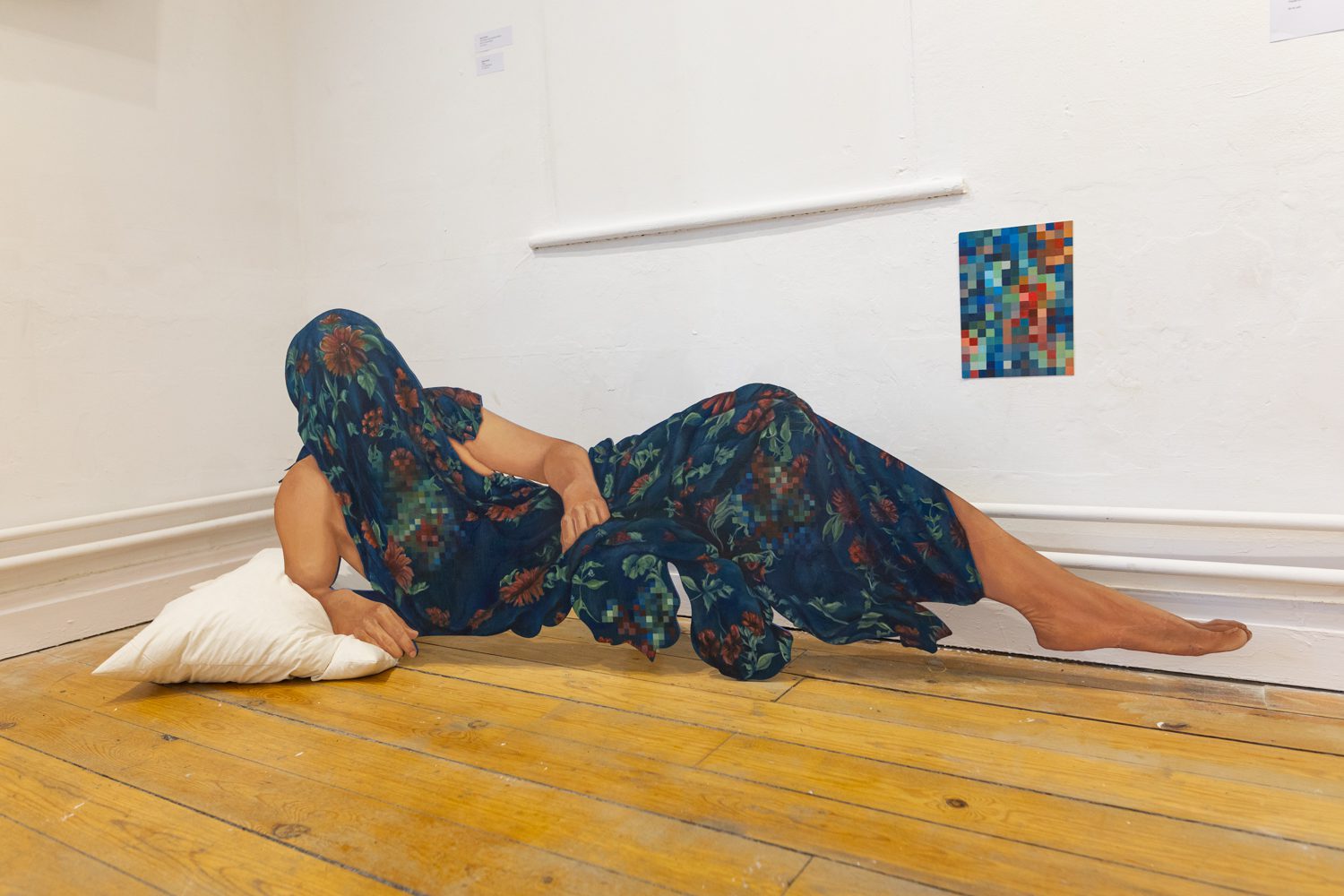
Zainab’s work bridges tradition and contemporary identity. Using handmade Wasli paper from Pakistan and the neem-rang miniature painting technique, her process is deeply rooted in heritage.
Her faceless figures reflect the complexities of identity—what we reveal, what we conceal, and how we evolve. Pixelated elements disrupt traditional forms, symbolising transformation and the blending of digital and physical worlds.
As she described it: these pixels represent “the passage of time and the hybridity of modern belonging.”
Shaun Connell: Portraits of Presence and Place
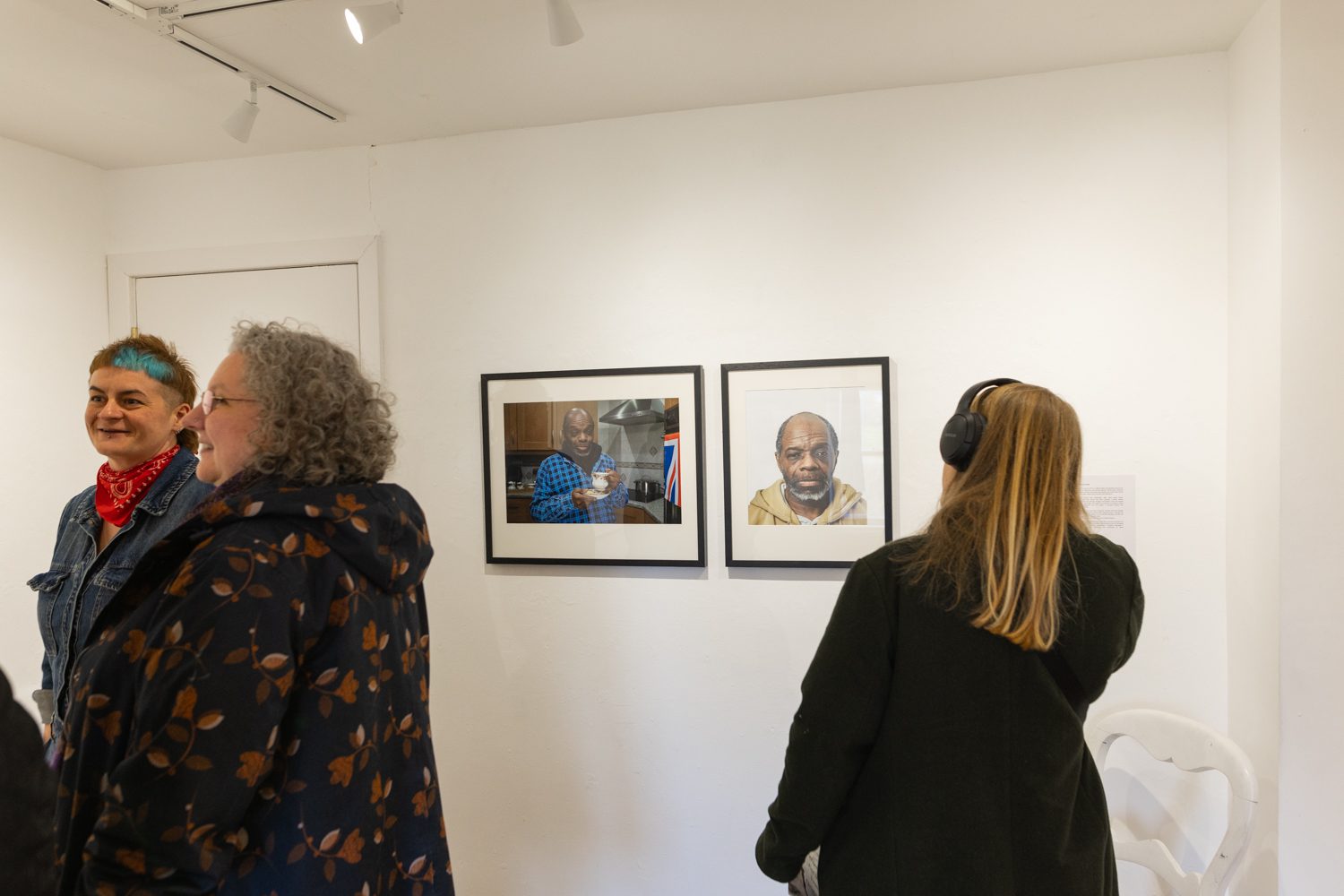
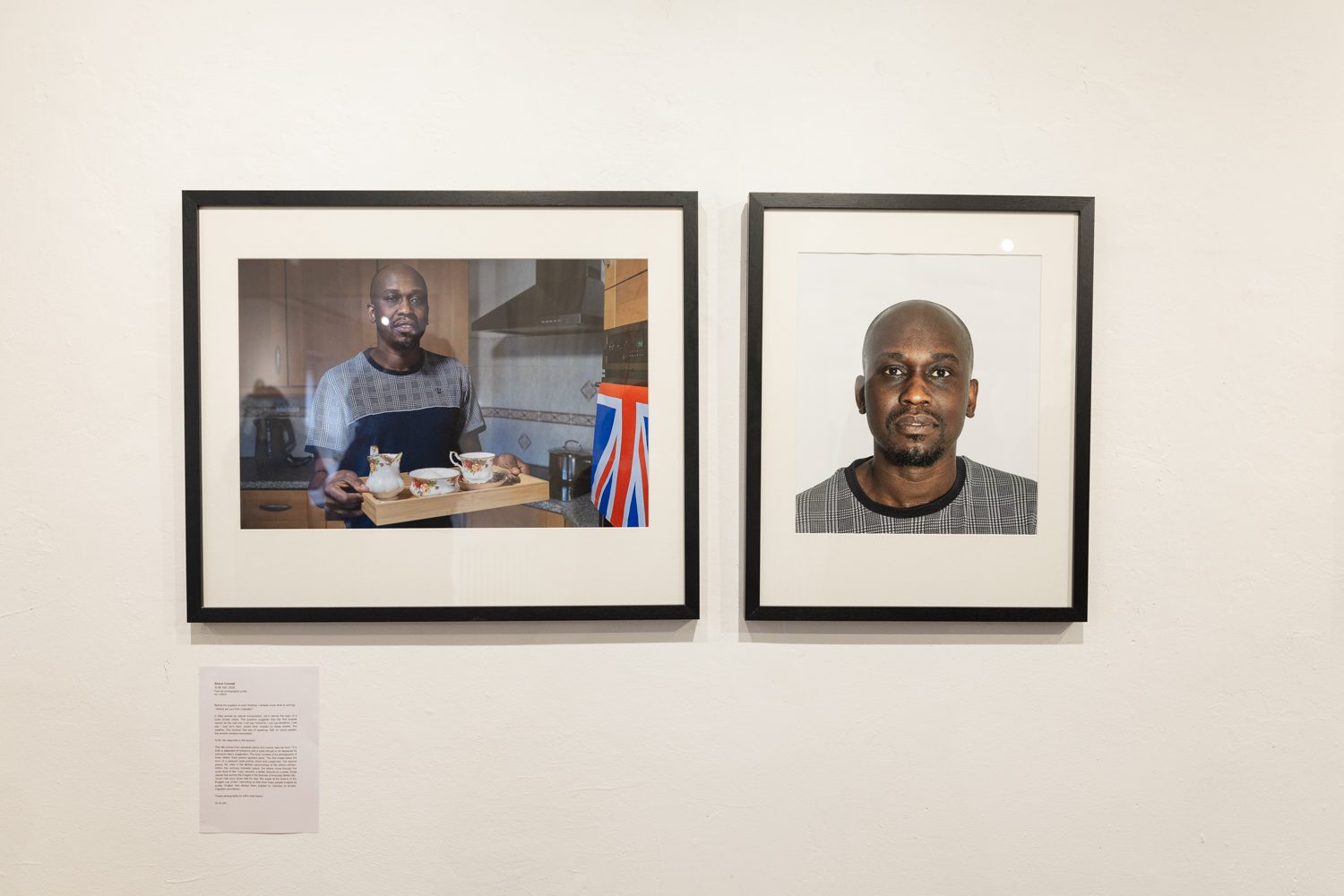
I first encountered Shaun’s work at Impressions Gallery and was immediately drawn to its warmth and intimacy. His photography captures connection—family, culture, belonging.
For this exhibition, we explored the idea of identity through “passport-style” portraits—formal, official, universal. Alongside these, he presents more personal, at-home images, highlighting how identity shifts depending on context.
Penny Moe & Saira Baig: A Shared Question
Interestingly, both Penny Moe and Saira Baig had already created works titled around the same question:
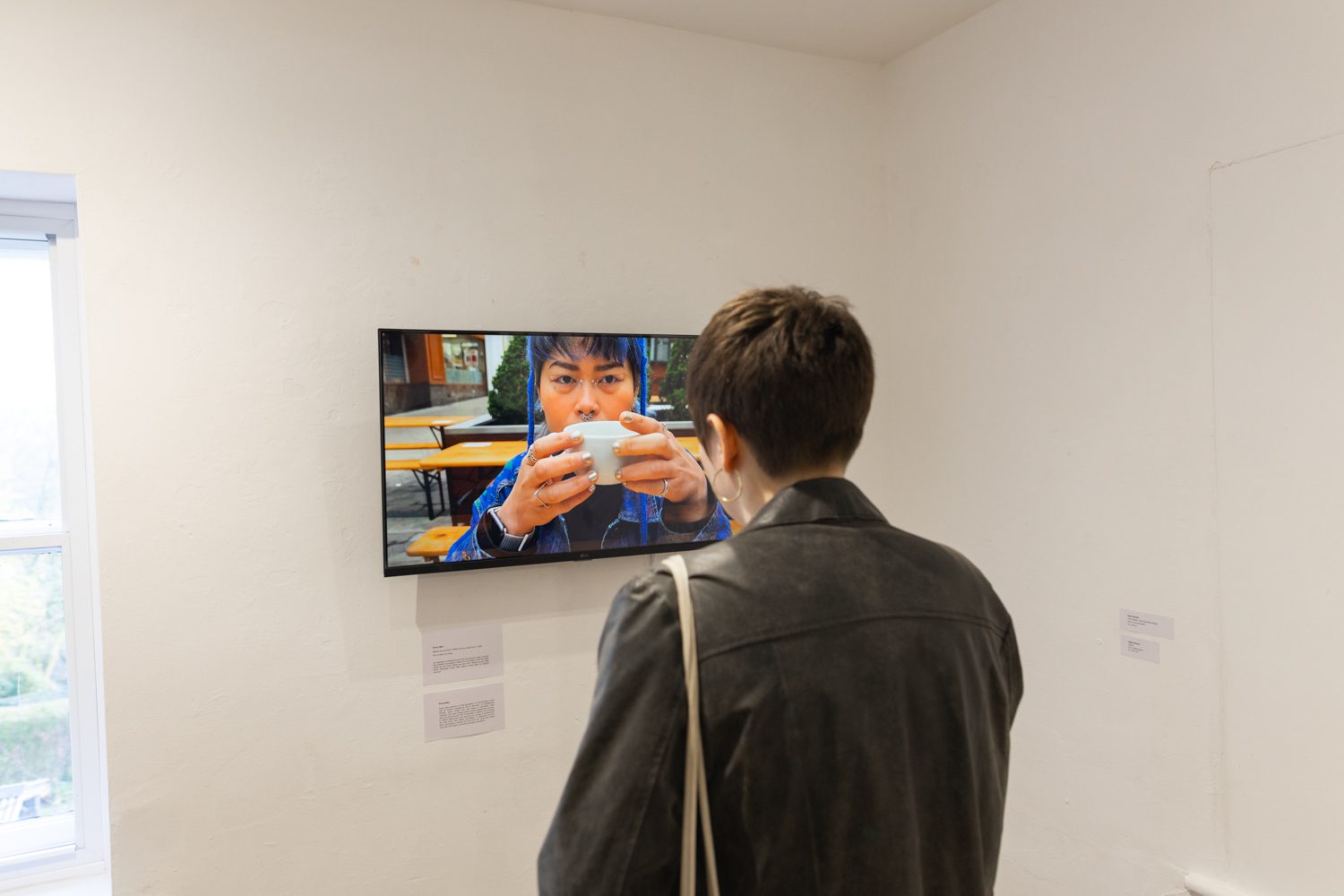
- Where are you from? Where are you really from? (Penny Moe, film)
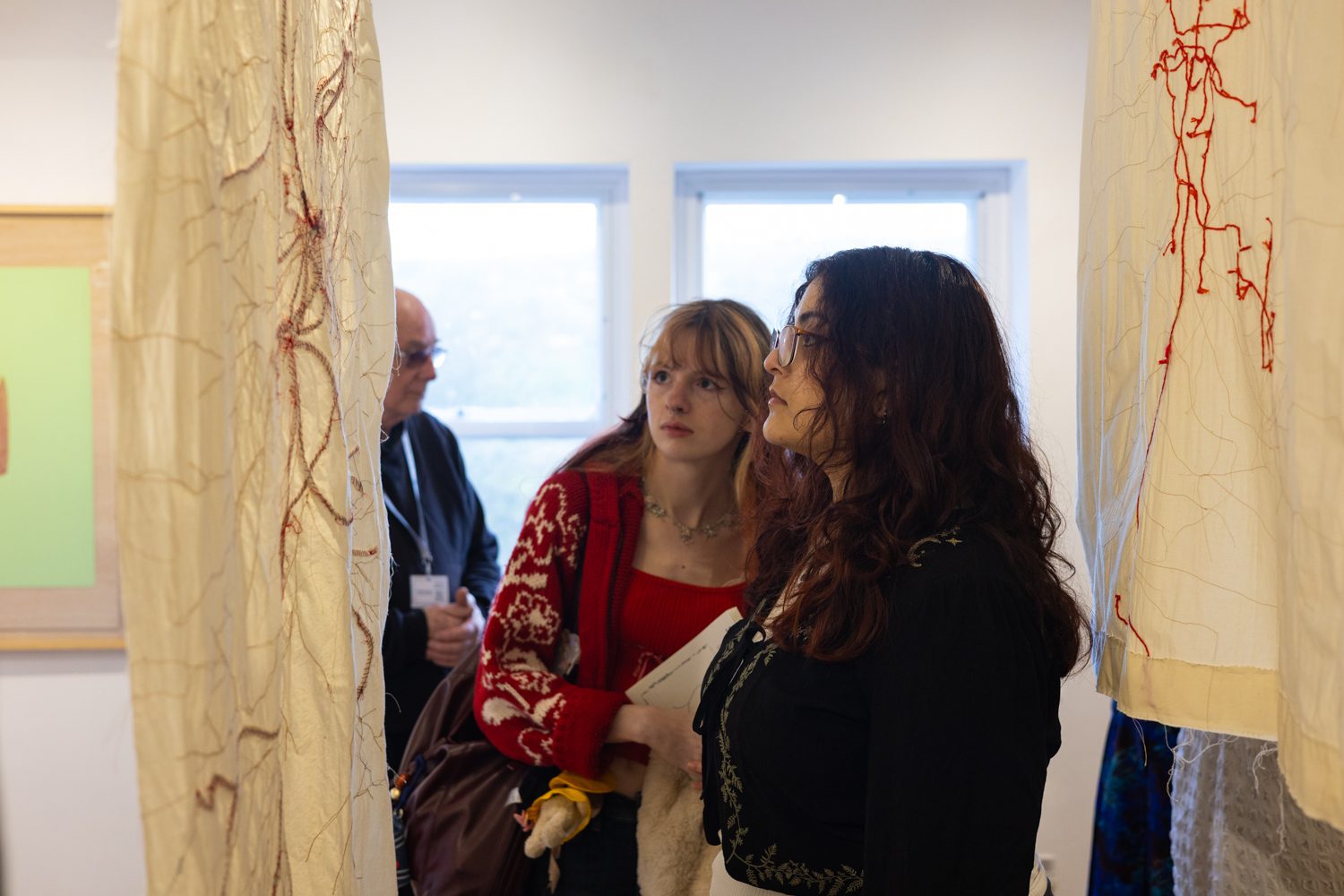
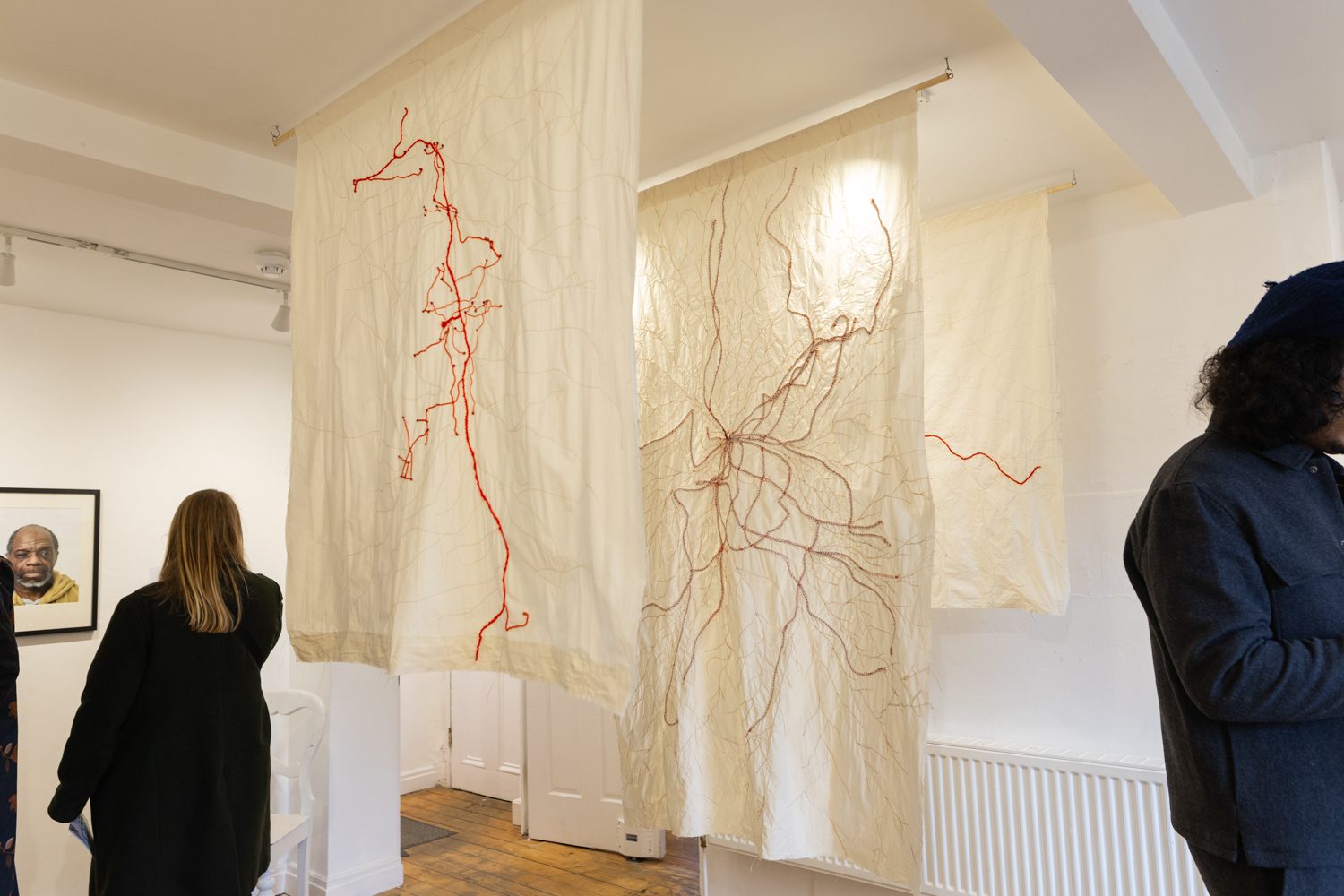
- Where are you REALLY from? (Saira Baig, textile maps)
These pieces existed independently before the exhibition, yet echo the same theme. That alone says something powerful—this question is everywhere, and it matters.
Beyond the Gallery: Community Voices
To extend the conversation beyond the exhibition space, I commissioned artist facilitator Mussarat Rahman to run community workshops. Working with Bradford Immigration and Asylum Support and Advice Network (BIASAN) and Free2BeMe (supporting LGBTQ+ asylum seekers), participants explored identity through writing, drawing, and collage.
Their responses form the heart of a companion zine—alongside contributions from an online Padlet. Designed by Kelvin Chan, the zine is free for visitors to take away, offering a deeper, more personal look into lived experiences.
A Collective Effort
Representation was essential to this project. I wanted to ensure that everyone involved—artists, designers, facilitators—reflected the diversity at the heart of the exhibition.
From Mussarat Rahman’s Pakistani heritage to Kelvin Chan’s Hong Kong roots, from Naomi Gennery’s poster design to Natasha Koziarska’s photography—this exhibition is built on a wide range of perspectives and lived experiences.
Continuing the Conversation
This exhibition means a great deal to me. It’s not just a collection of artworks—it’s a starting point. A space for dialogue. A prompt for reflection.
And it doesn’t end here.
I hope to continue developing this work, researching further, and creating more opportunities for these conversations to grow.
So next time you’re curious about someone’s background, maybe pause and consider how you ask—and why.
Because sometimes, the question isn’t as simple as it seems